• Bottle Opener
  • About
  • Contact
  • Privacy Policy
   
  • Bottle Opener
  • About
  • Contact
  • Privacy Policy

Bottle Opener

A bottle opener is a tool used to remove caps, lids, or corks from containers, primarily bottles. The most common use is removing metal bottle caps (also called crown caps) from glass beverage bottles.
Common Types of Bottle Openers1. Crown Cork Opener (Flat Bottle Opener)
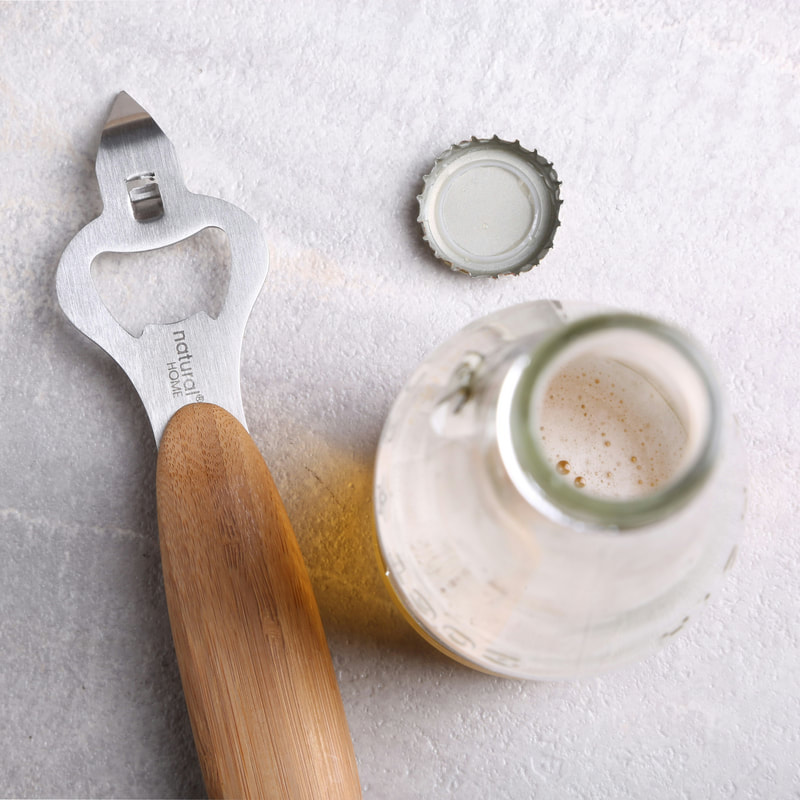
  • Used for: Beer or soda bottles with crimped metal caps.
  • Common in bars.
  • Also called: Bar blade, speed opener.
2. Church Key Opener
  • A vintage style with a pointed end to pierce cans and a hooked end to lift caps.
  • Popular in mid-20th century.
  • Dual function: can opener + bottle opener.
3. Wall-Mounted Bottle Opener
  • Fixed to a wall or surface (e.g., in kitchens or bars).
  • Ideal for frequent use.
  • Often has a cap catcher beneath.
4. Keychain Bottle Opener
  • Small, portable, attached to key rings.
  • Compact and travel-friendly.
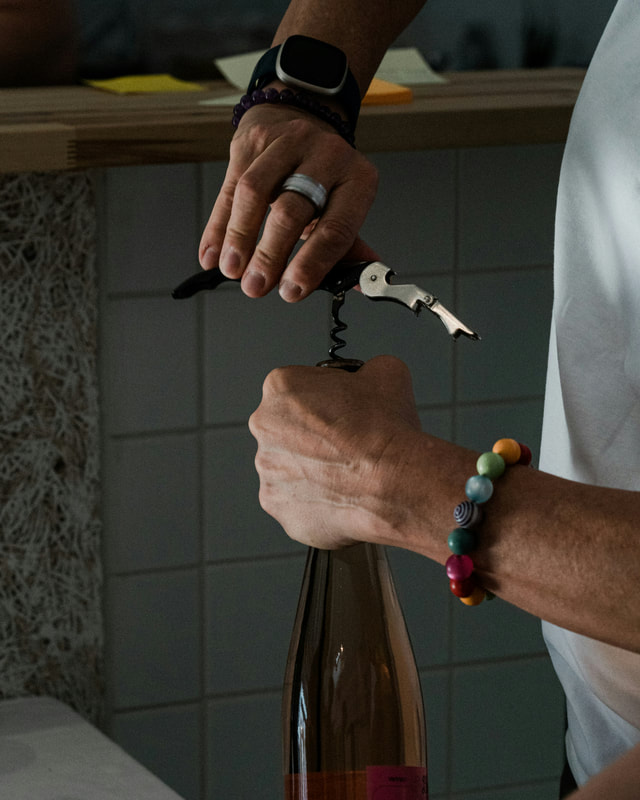
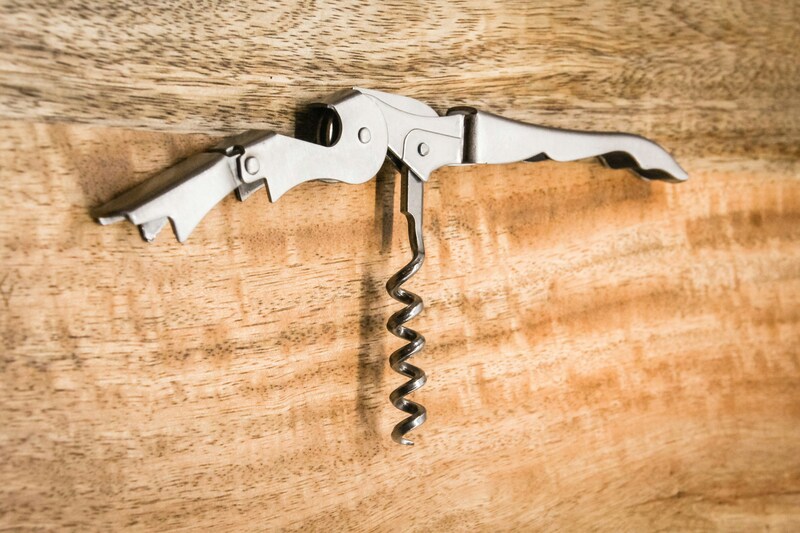
5. Waiter's Corkscrew (Wine Key)
  • Includes: Corkscrew (for corks), bottle opener (for caps), and small knife (for foil).
  • Common with wine service.
6. Winged Corkscrew
  • For wine bottles.
  • Two levers ("wings") rise as you twist the screw into the cork; pressing the wings removes it.
7. Electric Wine Opener
  • Automatic cork removal.
  • Battery-operated or rechargeable.
  • Good for ease of use, especially for people with limited grip strength.
8. Multifunction Tools
  • Include bottle opener as part of:
    • Pocket knives (like Swiss Army knives)
    • Multi-tools (like pliers + openers)
    • Outdoor tools or survival kits
⚙️ How It Works (Mechanics)For Crown Caps
  • Most openers work as a lever.
  • The hooked part grabs under the lip of the cap.
  • The flat surface rests on the top of the cap.
  • A levering action pries the cap off.
For Corks
  • A screw (worm) is inserted into the cork.
  • Leverage or pull is applied to remove the cork.

🛠️ Materials Used
  • Metals:
    • Stainless steel (most common)
    • Aluminum (lightweight)
    • Brass (decorative)
  • Handles:
    • Plastic
    • Wood
    • Rubber (for grip)
    • Composite/resin

📐 Design Variations
  • Minimalist: Thin, flat, single-purpose.
  • Ergonomic: Designed for comfort and easy grip.
  • Decorative: Novelty shapes (e.g., animals, tools, symbols).
  • Magnetic: Some have magnets to catch caps or stick to refrigerators.

🧼 Care & Maintenance
  • Metal openers: Generally dishwasher safe.
  • Wood-handled or vintage items: Hand-wash to preserve.
  • Store in dry places to avoid rust (if not stainless steel).
🔧 Detailed Engineering & Mechanics
​
🧰 1. Leverage Principles
  • Most bottle openers rely on first-class lever mechanics:
    • Fulcrum: The point of pressure on the cap.
    • Effort arm: The handle you pull on.
    • Load: The cap being lifted.
  • Ideal openers maximize mechanical advantage by increasing the handle length or optimizing fulcrum placement.
⚙️ 2. Corkscrew Mechanics
  • Corkscrews use rotational motion + axial force.
  • Common types:
    • T-shaped: Simple pull once inserted.
    • Winged: Gears convert screw motion into lever lift.
    • Sommeliers’ key: Dual-lever system for smooth cork extraction.
    • Screw pull or rabbit-style: Gear-driven mechanism; easy on the wrist.
    • Air pump openers: Use air pressure to eject corks via needle insertion.
🌍 Cultural & Regional Variations1. Germany & Austria
  • Precision-engineered metal bar blades.
  • Collectors highly value German-made vintage openers.
2. France
  • Famous for stylish wine keys used by sommeliers.
  • The corkscrew was crucial to wine service in French culture.
3. Japan
  • Compact and precise tools, often integrated into minimalist Bottle Openerware.
4. USA
  • Mass production during mid-century led to a wide variety of novelty designs—cars, pin-up girls, animals, beer brands.

​🎨 Collector Culture (Openers as Collectibles)📚 Known as: Openeriana
  • Enthusiasts collect openers by:
    • Type (wall-mounted, keychain, etc.)
    • Era (e.g., WWII, 1950s diner culture)
    • Material
    • Theme (beer companies, sports teams)
  • Some openers from early 20th century are worth hundreds of dollars.
  • Rarity increases value: e.g., obsolete or discontinued designs.
🔍 Authentication Tips:
  • Look for maker’s marks.
  • Compare design with catalogs from the era.
  • Weight and patina (surface wear) can hint at age.

Picture
1. Wall-Mounted Opener with Cap Catcher
  • Materials: Reclaimed wood, cast iron opener, small bucket for caps.
  • Tools: Drill, screws, sandpaper.
  • Optional: Burn or carve design into wood for aesthetic.
2. Metal Flat Opener (Bar Blade)
  • Materials: Stainless steel strip, grinder for shaping.
  • Add: Keychain hole, engraving, or bottle cap magnet.
3. Upcycled Tools
  • Use old wrenches, bike parts, or nails.
  • Bend and weld to form cap-lifting hook.
4. Wood + Magnet Version
  • Embed strong neodymium magnet behind wood to catch falling cap.
  • Popular for Bottle Opener bar decor.
♻️ Sustainability Considerations
  • Reusable openers reduce single-use plastics and waste (e.g., no need for twist-off caps or plastic corks).
  • High-quality openers last decades or longer.
  • Eco-friendly options:
    • Recycled metal body
    • Wooden handle from sustainably sourced timber
  • Avoid cheap plastic openers which wear out quickly.

🔬 Unusual or High-Tech Bottle Openers🚀 Novelty & Experimental Types
  • Magnetic openers: Stick to fridge, catch the cap on release.
  • CO2-powered openers: Use pressure to pop corks.
  • Electric corkscrews with LED lights
  • Cap poppers: Instead of lifting the cap, it pushes it off with internal spring pressure.
🧠 Smart Bottle Openers
  • Some prototypes use Bluetooth or NFC to track when you open a drink—often for party games or marketing campaigns.
Picture
  • Bottle Opener
  • About
  • Contact
  • Privacy Policy